
Joint pain It can appear discreetly, then gradually begin to control your daily life, your energy, and even your plans.
However, the good news is that you don't have to accept this situation as inevitable. In fact, there are concrete, accessible, and effective solutions to relieve pain and regain true freedom of movement.
Ada – check your health
One-line app summary (optional).
If you wake up with stiff knees, if you have trouble closing your hand, or if you have already given up certain activities because of discomfort, know that you are not alone.
Indeed, millions of people live with this problem every day. However, what many still don't realize is that small, consistent changes can produce impressive results.
In this comprehensive guide, we will address joint health in a clear, practical, and human way. Furthermore, you will understand why pain occurs, which behaviors worsen or alleviate it, and above all, how to create a realistic plan adapted to your daily life without miracle promises or unrealistic solutions.
Why does joint pain appear and become so debilitating?
Before discussing solutions, it's essential to understand what actually happens in the body. Joints are complex structures that connect bones and allow movement.
They are composed of cartilage, synovial fluid and supporting tissues that work together to provide flexibility and shock absorption.
However, when this balance is disrupted, pain occurs. This can be due to several factors. In many cases, the natural wear and tear of cartilage, as in osteoarthritis, is the primary cause.
In other situations, it is a case of chronic inflammation, as in rheumatoid arthritis. Furthermore, old injuries, being overweight, a sedentary lifestyle, or even chronic stress also play a significant role.
Nevertheless, one fundamental point must be emphasized: whatever the cause, the body reacts positively when it receives the right stimuli. In other words, even if the pain has been present for years, it is entirely possible to improve mobility and quality of life.
Movement is essential — provided you choose the right one


When pain sets in, many people think the best solution is to stop moving altogether. However, while rest is sometimes necessary, prolonged inactivity tends to worsen symptoms over time.
Low-impact exercises: true allies for the joints
Gentle physical activities are essential for maintaining healthy joints. For example, swimming and water aerobics are particularly effective, as the water supports the body's weight and reduces pressure on the joints.
Thus, it is possible to move without overloading the knees, hips or ankles.
In addition, cycling, whether outdoor or stationary, strengthens the muscles around the joints, thus offering more stability.
At the same time, regular walking, when done with appropriate shoes, improves circulation, reduces stiffness and helps maintain a healthy weight.
Stretching and mobility: small movements with big effects
However, the importance of stretching should not be underestimated. Gentle movements performed daily help to maintain joint range of motion and reduce the feeling of stiffness, especially upon waking.
Practices such as gentle yoga, tai chi, or joint mobility exercises are particularly beneficial.
Moreover, the major advantage is that it often only takes 10 to 15 minutes a day to observe noticeable improvements, provided that one is consistent.
Strengthening to protect: the key role of muscle strengthening
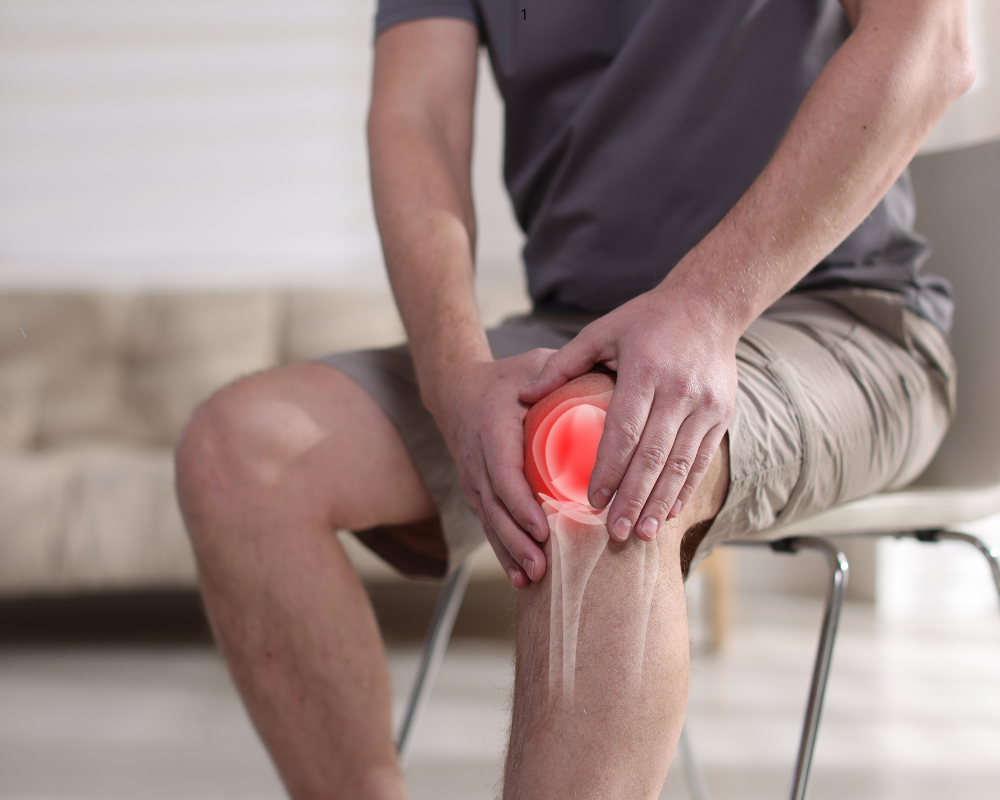
Although it may seem counterintuitive, muscle strengthening is one of the most effective strategies for reducing joint pain. Strong muscles act as natural shock absorbers, decreasing the direct impact on the joints.
For example, strengthening the thighs and glutes significantly relieves knee pain. Similarly, working the arm and shoulder muscles helps reduce pain in the hands, wrists, and elbows.
However, it is essential to respect your limits. Light weights, correct execution, and gradual progression are indispensable. When possible, professional guidance ensures safety and effectiveness.
Anti-inflammatory diet: your plate influences your pain
Often underestimated, diet plays a major role in managing joint pain. Indeed, chronic inflammation is strongly influenced by what we consume daily.
Foods that help reduce inflammation
First, foods rich in omega-3 fatty acids deserve special attention. These are found in oily fish, chia seeds, flax seeds, and walnuts. These nutrients help regulate inflammatory processes in the body.
Furthermore, colorful fruits and vegetables provide powerful antioxidants. Red berries, leafy green vegetables, broccoli, and carrots help combat oxidative stress, which worsens pain.
Furthermore, certain spices like ginger and turmeric have recognized anti-inflammatory properties. Incorporating them regularly into your diet is both simple and beneficial.
Foods to limit to relieve symptoms
Conversely, ultra-processed foods, excess sugar, and refined carbohydrates tend to promote inflammation. Therefore, reducing their consumption can already provide significant relief.
Furthermore, some people experience improvement by reducing their intake of dairy products, gluten, or nightshade vegetables. However, every body reacts differently, so observing your own reactions remains essential.
Technology at the service of joint health
Today, technology offers valuable tools to support joint health. Apps allow you to track your diet, physical activity, sleep, and even stress levels.
In addition, there are platforms offering guided exercises focused on mobility, physiotherapy, and gentle strengthening. This allows you to take care of your body at home, with clear and safe instructions.
Furthermore, meditation and breathing applications play an important role, as stress directly influences the perception of pain.
Weight management: less load, less pain
Although the subject is sometimes sensitive, it's impossible to ignore the link between body weight and joint pain. Every extra kilogram puts increased pressure on weight-bearing joints, especially the knees, hips, and ankles.
Studies show that moderate weight loss can significantly reduce pain, particularly in people with osteoarthritis. Therefore, it's not about aesthetics, but about comfort and functionality.
Fortunately, a balanced diet combined with gentle exercise naturally promotes healthy weight management, without extreme measures.
Heat and cold: simple but effective allies
Heat therapies can provide rapid relief when used correctly.
Heat is ideal for stiffness and muscle tension, as it improves blood circulation and relaxes tissues. Cold, on the other hand, is recommended for inflammation or acute pain, especially after physical exertion.
However, it is important to respect the application times and to protect the skin.
Sleep and recovery: an essential step
Quality sleep is not a luxury, but a necessity. During sleep, the body repairs tissues and regulates inflammatory processes. Conversely, a lack of sleep increases sensitivity to pain.
Creating a supportive environment, using supportive cushions, and respecting the body's fatigue signals greatly contributes to joint recovery.
Supplements: when can they be useful?
Some dietary supplements have scientific support for joint health. These include glucosamine, chondroitin, collagen, vitamin D, omega-3 fatty acids, and curcumin.
However, it is strongly recommended to consult a healthcare professional before starting any supplementation.
Surrounding yourself with professionals: a real advantage
You don't have to manage joint pain alone. Doctors, physiotherapists, and other specialists are essential partners in this journey.
Physiotherapy, for example, allows you to learn the correct movement patterns and benefit from personalized programs.
Furthermore, professional guidance reduces the risk of errors that could worsen the pain.
The link between body and mind
Stress, anxiety, and emotional tension strongly influence pain perception. Indeed, chronic stress can amplify inflammation and decrease tolerance to discomfort.
Thus, relaxation techniques, mindful breathing, and calming activities play an essential complementary role. They do not replace physical treatment, but they significantly enhance its effects.
Build a simple and sustainable plan
Rather than changing everything at once, start with two or three concrete actions. For example: walk several times a week, improve your diet, and practice daily stretching.
Over time, these habits become ingrained naturally. It is the small, repeated actions that produce the most lasting transformations.
Keeping a tracking journal can also help identify what works best for you and maintain motivation.
To regain a freer life, despite the challenges
Joint pain may be a part of your present, but it doesn't have to define your future. With information, consistency, and listening to your body, it's possible to regain mobility, independence, and quality of life.
There will be tougher days, that's for sure. However, every improvement counts. Celebrating progress, even small steps, strengthens your commitment to yourself.
You deserve to live with more comfort, freedom, and pleasure in your movements. Start today. Your body will thank you tomorrow.